3D Software Showdown: Best Pipelines for 2026 Marketing Productions
Introduction
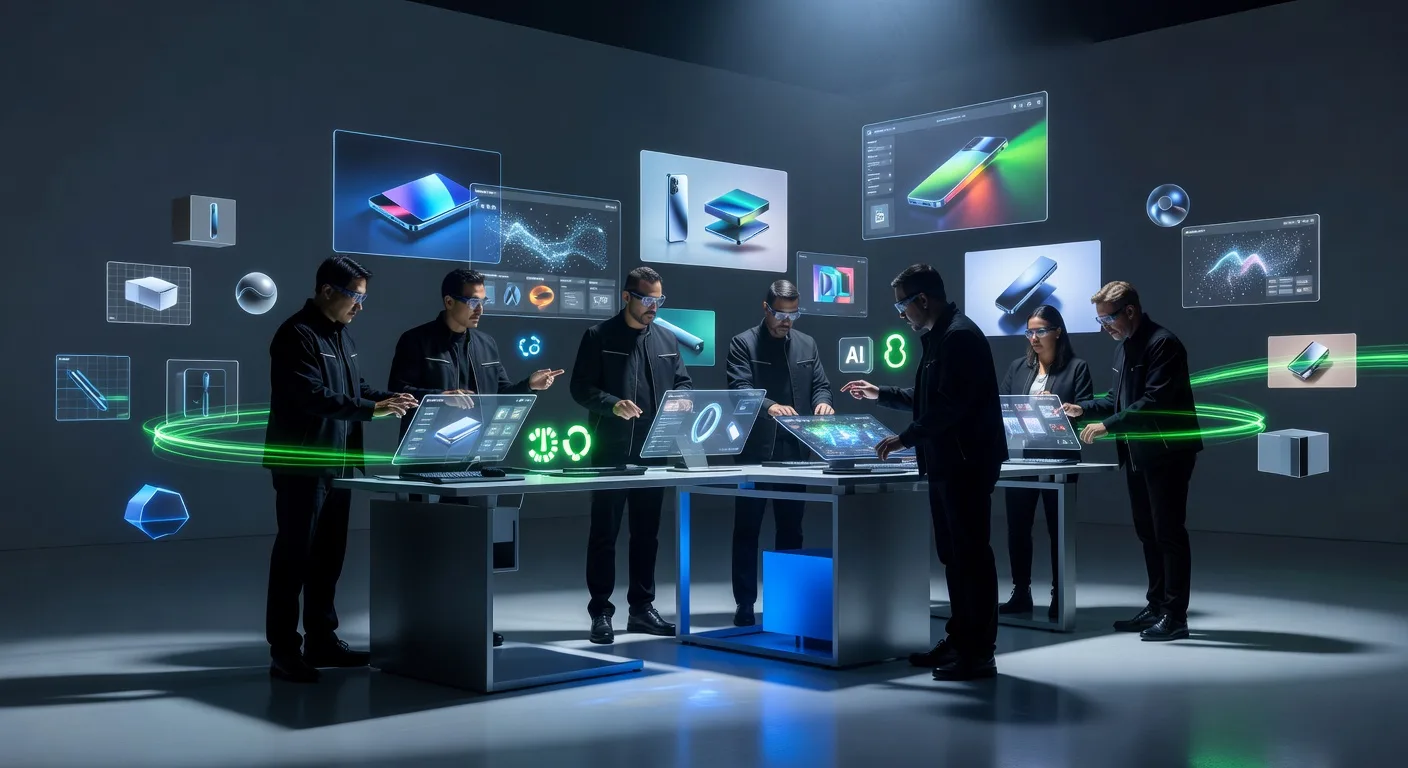
As brands race to captivate audiences in 2026, 3D pipelines have evolved into dynamic ecosystems that integrate AI-driven tools with intuitive creator interfaces. Marketing professionals and brand managers now leverage these advanced setups to craft immersive visuals that drive engagement. This showdown examines the top pipelines, highlighting how they streamline production for everything from product launches to interactive campaigns.
Emerging 3D Software Ecosystems
Leading the charge are integrated platforms that combine modeling, animation, and rendering in seamless workflows. For instance, tools like those enhancing 3D product animations allow marketers to visualize prototypes in real-time, reducing iteration cycles by half. AI plugins now automate texture mapping, enabling teams to focus on creative strategy rather than manual tweaks. This shift empowers brands to produce high-fidelity assets faster, ideal for e-commerce visuals that convert viewers into customers.
AI-Assisted Rendering Updates
💡 Looking for professional 3D Product Animation services? Check out our Fiverr gig to get started today!
Rendering technology in 2026 emphasizes speed and realism through neural networks that predict lighting and shadows. Pipelines incorporating these updates cut render times from hours to minutes, making it feasible for real-time previews in marketing pitches. Brand managers can now simulate environments for product demos, such as testing a new gadget's glow under various conditions. This not only accelerates approval processes but also ensures visuals align perfectly with brand narratives, boosting campaign authenticity.
Creator Tooling for Collaborative Workflows
Modern pipelines prioritize collaboration with cloud-based tooling that syncs across teams. Plugins for 3D modeling now include version control and shared libraries, allowing remote contributors to edit assets simultaneously. For marketing teams, this means seamless integration with tools like custom logo animations, where iterations happen in real-time without file conflicts. Such tooling transforms solitary design tasks into collaborative sprints, fostering innovation in brand storytelling.
Integration with Broader Digital Production
Beyond standalone 3D, top pipelines connect to video editing and website development for holistic campaigns. AI workflows bridge gaps, automating data imports from 3D models into explainer videos or landing pages. Brands can now create cohesive ecosystems, like military-themed explainers that blend 3D assets with narrative elements. This interconnected approach minimizes silos, ensuring marketing executions feel unified and impactful.
Checklist: Optimizing Your 3D Pipeline for 2026
- Assess current software for AI compatibility and upgrade to versions supporting neural rendering.
- Integrate collaborative tools to enable real-time team edits on 3D models.
- Test rendering speeds with sample projects to identify bottlenecks in production.
- Incorporate plugins for automated texturing to free up creative time.
- Link pipelines to broader marketing tools, like video editing for seamless asset flow.
- Train teams on new AI features to maximize workflow efficiency.
- Evaluate output quality against brand standards for immersive campaigns.
- Monitor updates for emerging creator tools that enhance modeling precision.
Frequently Asked Questions
What makes a 3D pipeline ideal for marketing in 2026? It combines AI speed with collaborative features, allowing rapid prototyping of brand visuals that resonate with audiences.
How do AI workflows improve rendering? They use predictive algorithms to simulate realistic effects, slashing time and enabling dynamic adjustments for marketing demos.
Can these pipelines handle large-scale brand campaigns? Yes, with scalable cloud integration, they support team expansions and high-volume asset production without compromising quality.
Are there free tools for testing pipelines? Many offer trial versions, but investing in premium ones ensures access to advanced AI and rendering updates.
How does this impact e-commerce visualization? Pipelines enable hyper-realistic product animations, directly boosting conversions through engaging online showcases.
Conclusion
Adopting cutting-edge 3D pipelines in 2026 positions brands at the forefront of digital innovation, transforming ideas into captivating realities. Start exploring these tools today to elevate your marketing executions. For expert assistance, check out our 3D product animation services or 3D modeling expertise to bring your visions to life.
Ready to Get Started?
If you're looking for professional 3D Product Animation services, I'm here to help! Visit my Fiverr profile to see my portfolio and place an order.
Turn this workflow into real deliverables
Browse production-ready 3D assets for your next project, then step into 3d modeling if you need a custom build.